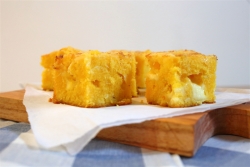
What does it consist of?
Also written as "quivevé" and "quibebé," it is a typical Paraguayan cream that has been prepared for centuries and largely represents Guarani culture. Made from pumpkin, milk, and sugar, it is known for being thick and is also commonly prepared in regions of Argentina.
History of the cream
The knowledge about the origins of this dish comes from a written record by the Jesuits, "whose missions took place from the 16th to the 18th century"; describing a series of dishes made with ingredients available in their region.
This included taro and cassava breads, which were very popular among the Jesuits. In the later texts, there is an interesting description of a "thick orange-colored broth with a sweet and unique flavor."
Do you notice? It’s a very fitting description of the Kivevé! And by reconstructing the timeline, we can say that the recipe has been passed down through generations until it became not only a typical national dish but also a historical proof of the colonial era.
Variants
There are not many changes or variants in its ingredients; however, some versions include cornmeal flour and a bit of cheese. This dish is often served with dessert and is usually enjoyed for breakfast or snack time.